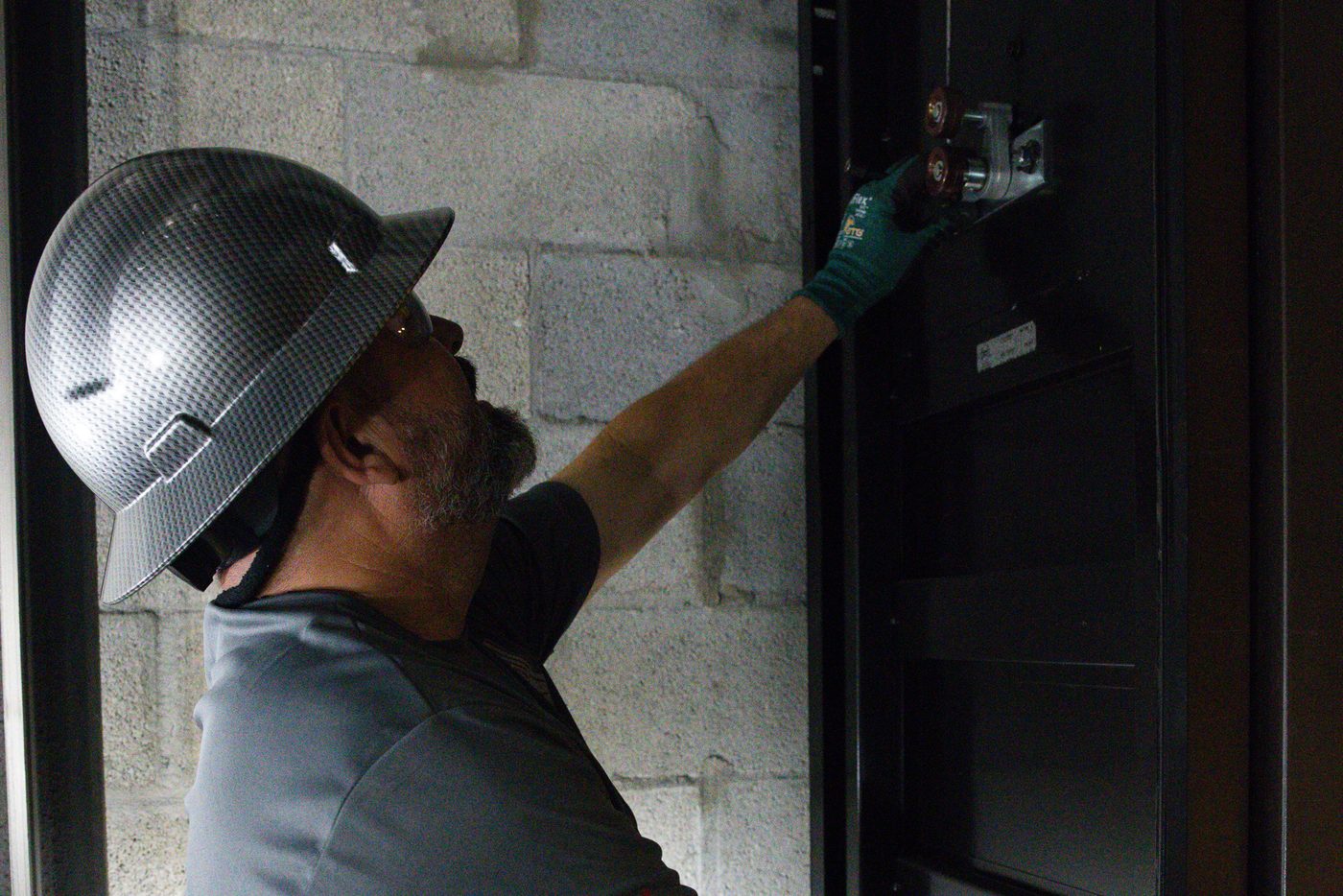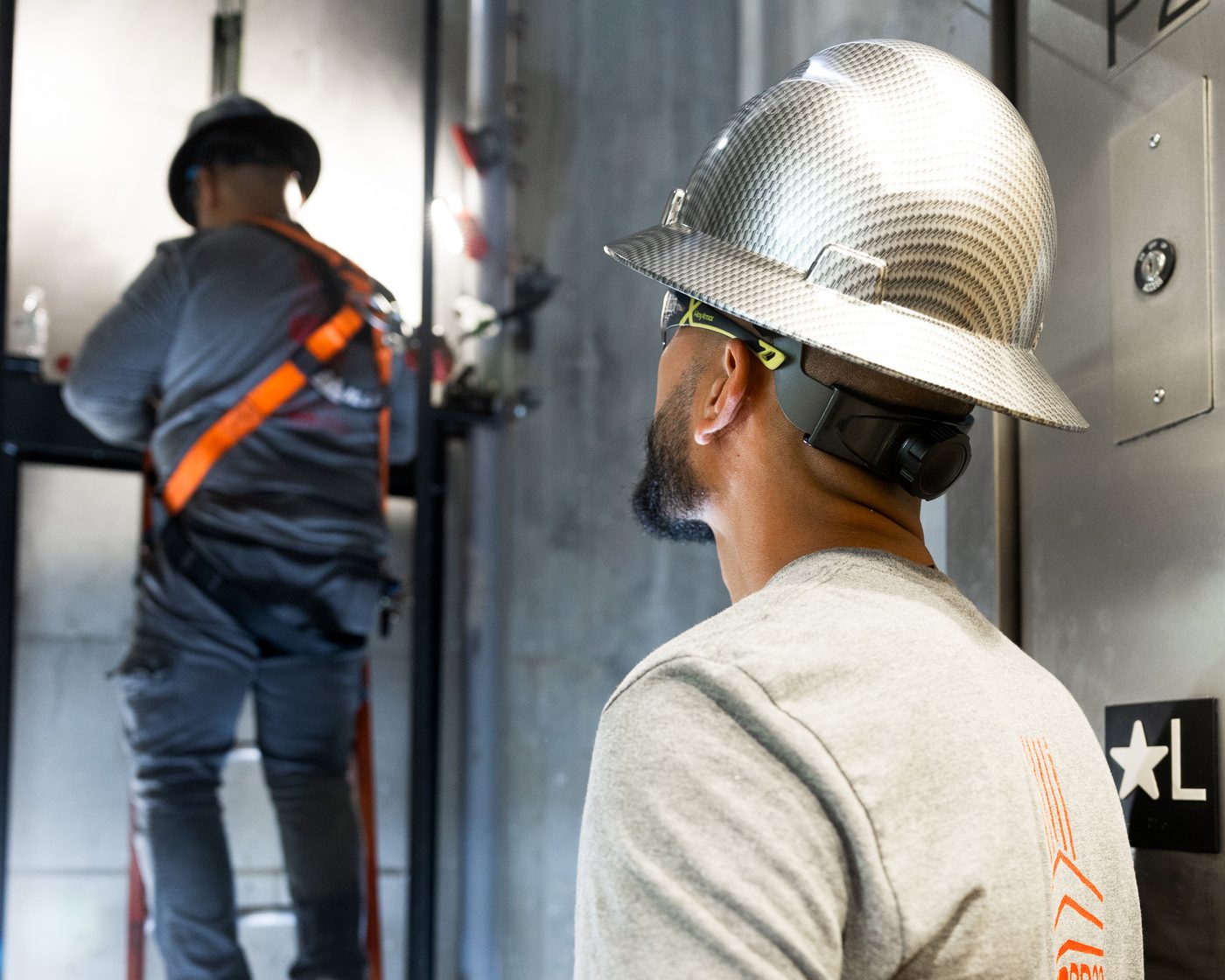
Elevator preventive maintenance is scheduled service that finds and fixes small problems before they cause a breakdown. A licensed elevator mechanic handles the technical work: inspecting, lubricating, adjusting and testing the equipment. Building owners and managers play a key role too, by watching for warning signs, keeping records and making sure the work is actually being done.
Most elevator shutdowns start as something small: a door that hesitates, a car that stops slightly off the floor, a new noise. Catching these early keeps tenants moving and prevents expensive emergency repairs. This checklist shows what you, as an owner or manager, should check, and what your elevator company should be doing.
Daily or weekly walk-through checklist for building staff
Ride each elevator and note any of the following:
- The car stops level with each floor, with no step up or down.
- Doors open and close smoothly, without banging, hesitating or reopening repeatedly.
- Door sensors reopen the doors when something is in the way.
- All hall and car buttons light up and respond.
- Floor indicators and arrival signals work.
- Cab lighting and the ventilation fan work.
- The emergency phone or two-way communication connects.
- The ride is smooth, with no unusual noise, vibration or jerking.
- The current certificate of operation is posted.
Report any problem to your elevator company in writing, with the date, elevator number and what you noticed.
Monthly checklist for property managers
- Review the mechanic's visit records and confirm visits happened as scheduled.
- Track callbacks: if the same elevator breaks down repeatedly, ask for a root-cause explanation.
- Keep the machine room locked, clean and clear of storage.
- Check for water leaks or heat problems near the machine room and pit, especially after storms.
- Confirm open code deficiencies are being worked on.
Yearly checklist for owners and boards
- Confirm the annual inspection is scheduled before the certificate is due.
- Confirm required periodic safety tests are scheduled. In Florida, that means a Category 1 test every year and a Category 5 test every five years (Fla. Admin. Code R. 61C-5.013).
- Review your maintenance contract: scope, exclusions, response times and renewal dates.
- Ask your elevator company for a condition report on major components and their expected remaining life.
- Update your capital plan or reserve study for future elevator repairs and modernization.
What should your elevator company do during preventive maintenance?
A good preventive maintenance visit typically includes:
- Inspecting and lubricating moving parts
- Checking and adjusting door equipment and door safety devices
- Checking leveling, ride quality and speed
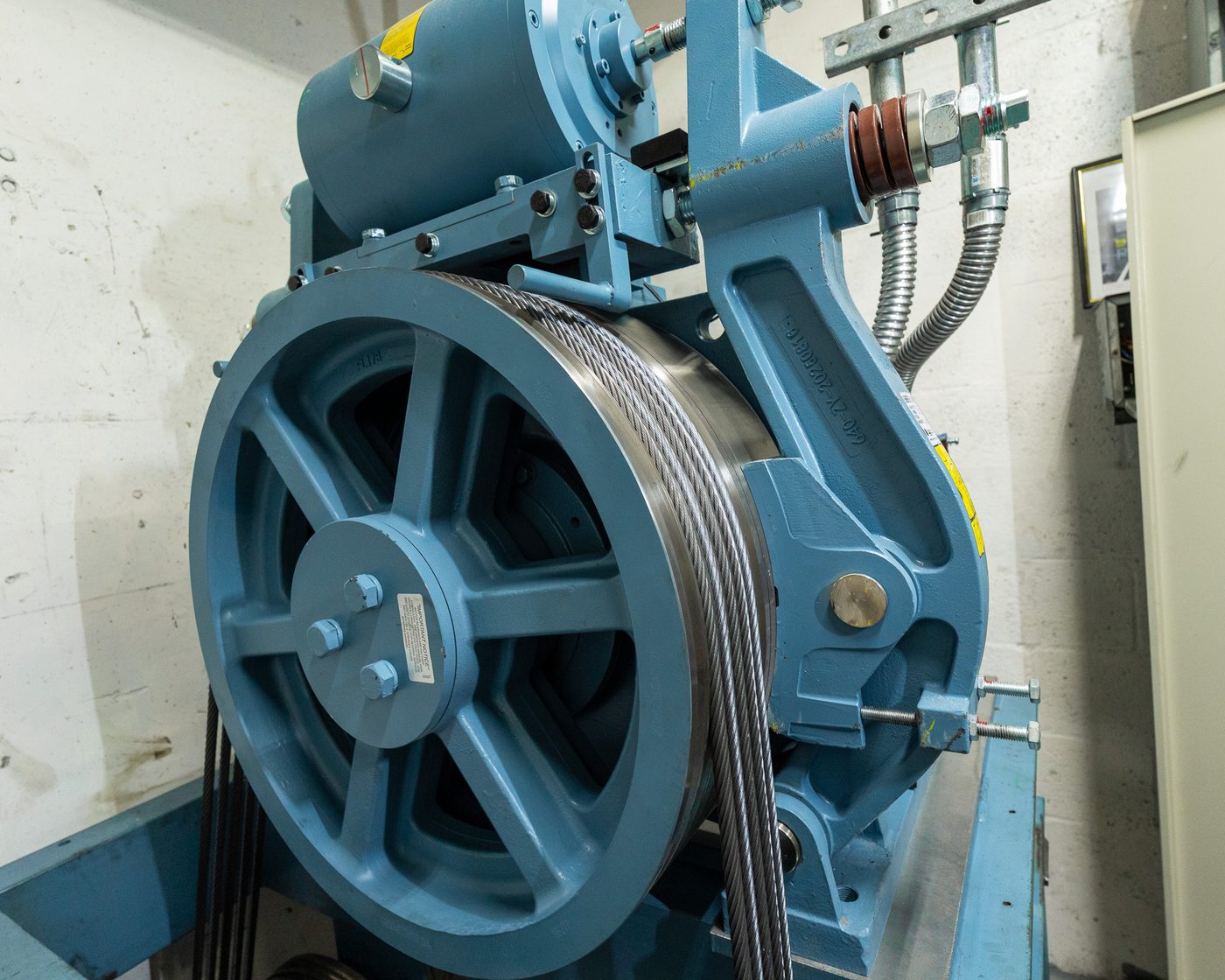
- Inspecting the controller, machine or hydraulic power unit
- Checking for oil leaks on hydraulic elevators
- Testing buttons, indicators, emergency lighting and the emergency phone
- Cleaning the pit, car top and machine room equipment
- Writing up what was done and anything that needs attention
The right visit frequency depends on the equipment's type, age and how heavily it is used. A busy office tower needs more attention than a small condo building.
What is an elevator Maintenance Control Program (MCP)?
A Maintenance Control Program is the written plan for maintaining each elevator. It lists the tasks, how often they are done, and the records that show they were completed. The national elevator safety code, ASME A17.1, requires one, and Florida requires owners to have an MCP that meets section 8.6.1.2 of that code (Fla. Admin. Code R. 61C-5.013).
As an owner or manager, you don't need to write the MCP yourself. You should know where it is kept, make sure it matches your equipment, and be able to see the records whenever you ask.
What are the warning signs that an elevator needs service?
- The car stops above or below the floor.
- Doors are slow, noisy or reopen without reason.
- The ride is jerky or makes grinding, squealing or banging noises.
- The elevator is slow to answer calls.
- You notice oil in the pit or a burning smell.
- Breakdowns are becoming more frequent.
Any of these is worth a service call. Repeated breakdowns can also be a sign that it is time to consider targeted upgrades or modernization.
Frequently asked questions
How often should an elevator have preventive maintenance?
It depends on the equipment's type, age and use. Your elevator company should set a schedule in your Maintenance Control Program and explain why it fits your building.
Is preventive maintenance required by law?
Owners must keep elevators properly maintained. Florida, for example, requires a maintenance contract that includes routine examinations and periodic safety tests, and a Maintenance Control Program.
What is the difference between preventive and predictive maintenance?
Preventive maintenance follows a set schedule. Predictive maintenance uses monitoring data from the elevator to spot problems and plan service before a failure.
Can building staff do elevator maintenance?
No. Elevator maintenance must be done by a licensed elevator mechanic. Staff can do walk-throughs and report problems.
Get a preventive maintenance plan built for your building
MODPROS builds maintenance programs around your equipment, usage and how your building actually runs. Every contract includes scheduled visits by IUEC-trained mechanics, written reports after each visit and 24/7 emergency response, for all major brands and hydraulic, traction, machine-room-less and freight elevators. Schedule a discovery call or call 833.MOD.PROS (833.663.7767).
Schedule a Discovery Call